

Written by Sara Hinds; Q&A by Kelly Stenka
As director of health and wellness at Doane, Andreea Baker manages health resources and services for students. In her collegiate health and wellness career that has spanned 12 years, Baker has come to realize that food as a service needs to be literally brought to the table.
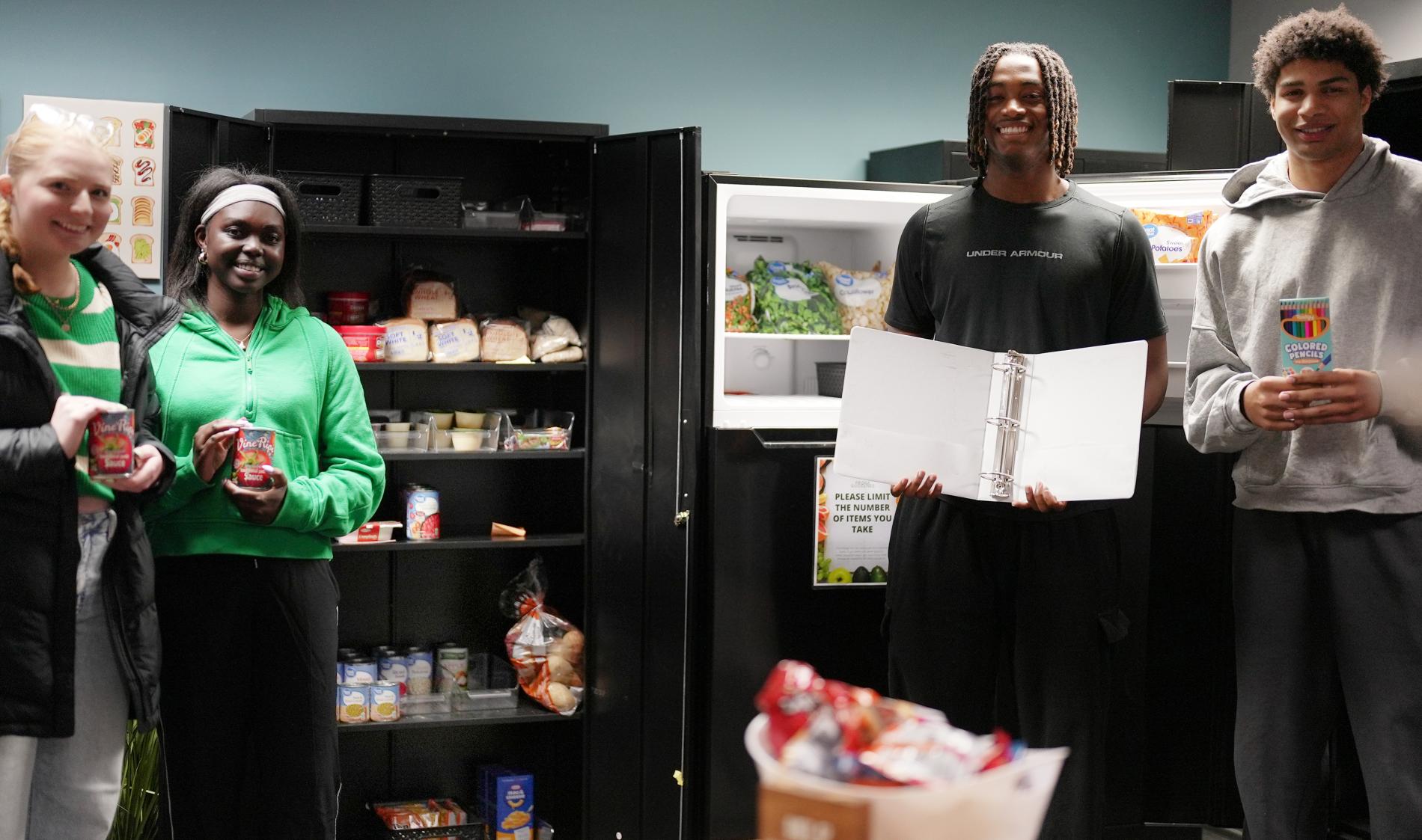
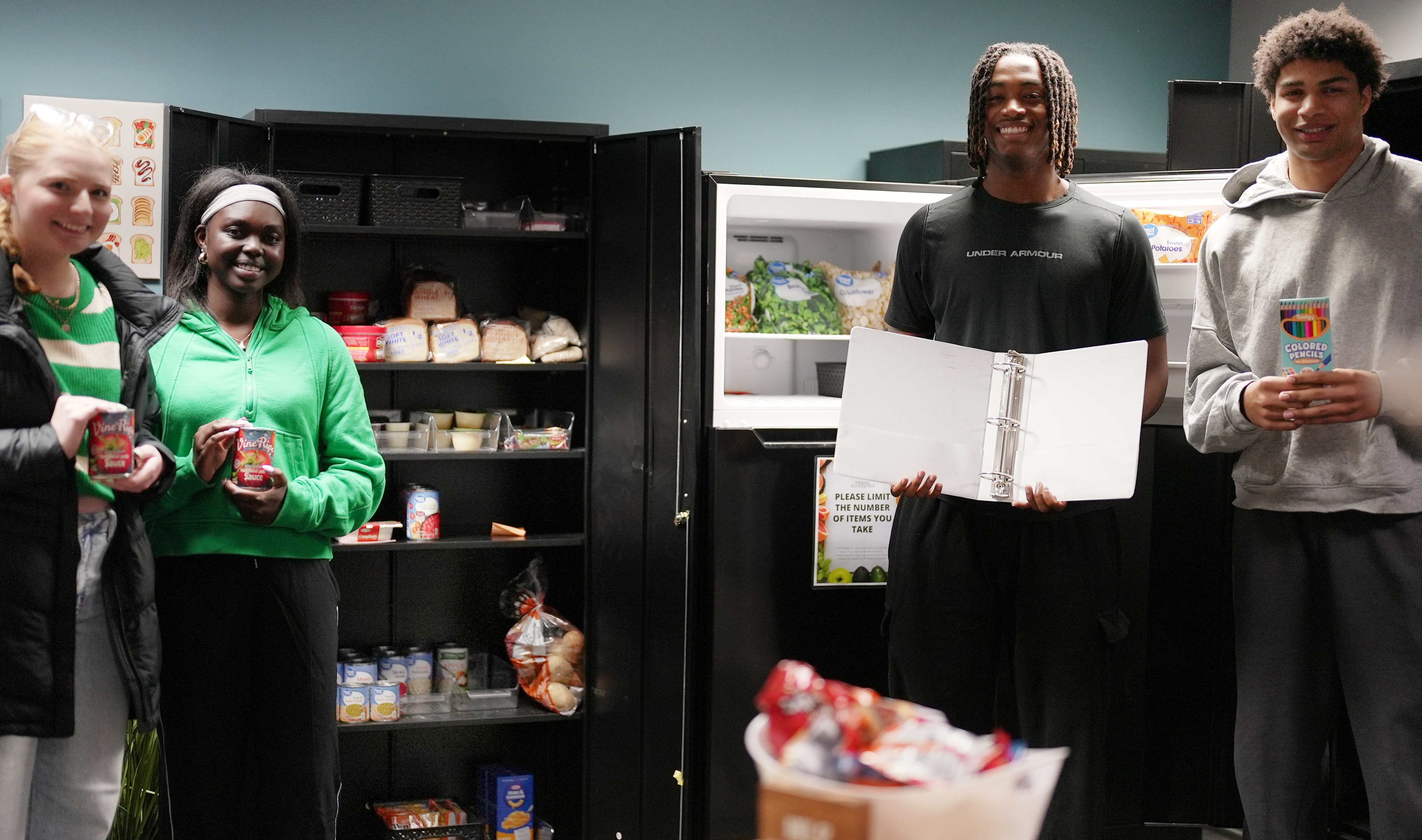
Through conversations with students and her own research, she's learned the negative impacts food insecurity can have on their academic success and overall student retention. She oversees the Tiger Paw Pantry, a donations-based free resource for students to help meet basic food and hygiene needs.
You can donate to the Tiger Paw Pantry through Amazon Wish List or GiveCampus. Learn more about food insecurity and Baker's efforts to spread the world about the Paw Pantry below with a Q&A.
Food insecurity is an issue many people do not immediately associate with college campuses. What first drew your attention to this challenge, and why has it become such an important focus of your work?
This has been an area of focus for me in the last five years. It really came about when I was interacting with students who would be coming to health services looking for extra resources around food, hygiene supplies and then doing additional research to learn how prevalent food insecurity is for college students in particular. I know through that research and learning more through conversations with students, how food insecurity would be a hindrance to students being successful in their academic goals. Student Health and Wellness aims to help students be successful and meet all their goals which is why it's become such a focus for me and my work.
In your experience, what are some of the biggest misconceptions people have about food insecurity among college students?
One of the biggest misconceptions that I have heard throughout my 12 years in college health and wellness is that if students are attending colleges, especially private institutions, that they should not have any food insecurity. The belief is that if students can afford to go to college, they should be able to afford all the extra expenses that go along with that experience.
Besides Tiger Paw Pantry, are there additional initiatives or partnerships that you have helped create to support students experiencing food insecurity?
I have been able to establish strong partnerships with our Student Congress and with faculty/staff who have continuously been strong advocates and donors for the Paw Pantry. In addition to our strong campus partners, we have also been able to create partnerships with two of our local churches, Grace United Methodist Church and the UCC church along with the City of Crete. These partnerships are immensely important for our pantry to continue to offer support for our students. Through the partnership with Student Congress, several of the student senators came together and created the Paw Pantry Club. This is a group of students that are working to share information about the Paw Pantry with other students on the Crete campus, helping with food and hygiene drives, and also assisting with inventory on a weekly basis. This is an amazing group of students and I am looking forward to continuing to work with them.
You are involved with several organizations and outreach efforts beyond campus. How do those collaborations help strengthen the work being done for students at Doane and across higher education?
As the current President-elect for the American College Health Association, where Doane is an institutional member, we have access to resources and networks of institutions from across the U.S. that are also navigating similar challenges to helping meet student basic needs. These resources really have served as a great starting point as we have continued to grow our own pantry. I also have colleagues who serve as valuable resources and sounding boards for me as I am continuing the process of developing this important resource on campus.
What changes or solutions would you like to see in higher education to better support the overall health and wellness of students, especially when it comes to access to food and basic needs?
I would like to see a greater understanding and support for resources, like food pantries, as an essential part of an institution of higher education. These services and resources help students to be the best versions of themselves by making sure that their basic needs are being met. This will look different at every college or university, but having an emphasis on supporting student basic needs can help increase student retention as well as their success through graduation. I would also like to see this particular topic to be part of institutional surveys so that we are continuing to have the most up-to-date data around each institution's student basic needs.
Anything else you'd like to add or elaborate on?
I appreciate the support that has come from the Doane community for the Tiger Paw Pantry. As we have transitioned ownership to Health and Wellness, moving locations and continuing to expand resources, our campus has come together to donate, share and support this very important resource here at Doane. We couldn't do this work without this support.


