 What inspired you to pursue both Spanish and Exercise Science during your time at Doane, and how have those fields shaped your journey so far?
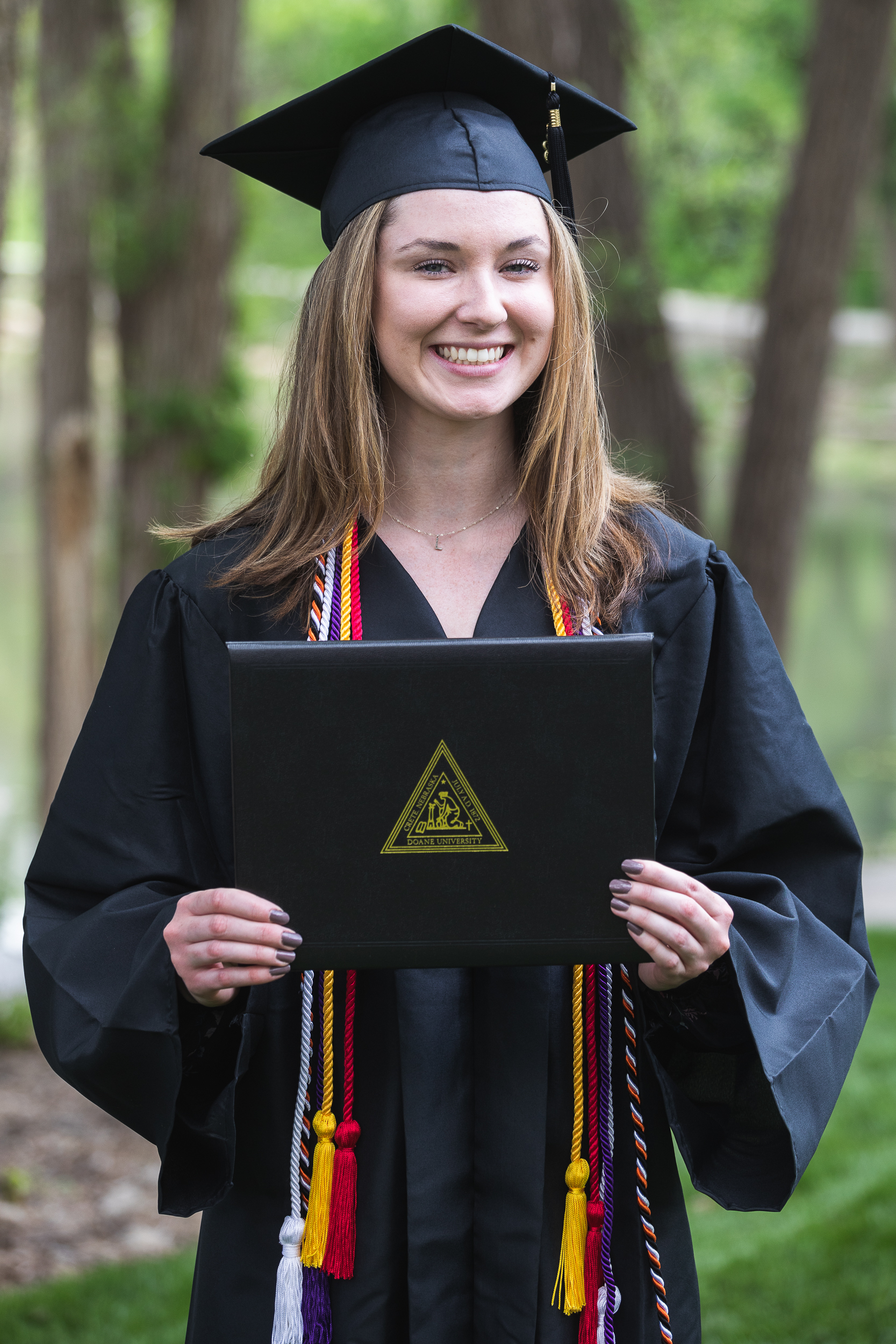
I initially chose Exercise Science because I was considering a career in healthcare. I also began a minor in Spanish while I was still undecided, and after about a year, I completed it. My professor, Jared List, encouraged me to go for a major in Spanish alongside Exercise Science. At first, I thought, "What am I going to do with a Spanish degree?" I was completely unaware of the incredible opportunities it would open up for me. It allowed me to explore the beauty of different cultures and the importance of stepping outside my own.
How did you come across the North American Language and Culture Assistance Program, and what motivated you to apply for the English teaching assistant role in Spain?
My other Spanish professor, Josh Pope, recommended the North American Language and Culture Assistance Program (NALCAP) when I was approaching graduation. He thought my experience studying abroad in Costa Rica made me a strong candidate. I was initially hesitant, wondering if it was the right time or if I should stay in the U.S. and continue working. But on the final day of the application window, I decided to go for it, just to see what would happen. If I got accepted, I felt it would be meant to be. Spain was actually my second choice when I considered where to study abroad during my final semester in 2023, so this felt like my chance to explore that dream. I was especially motivated by the opportunity to immerse myself in my second language, knowing that the best way to improve is by living within the culture and surrounding yourself in the language daily.
What has been the most exciting or surprising part about living and working in Martos so far?
One of the biggest surprises and challenges has been adapting to the Andalusian accent. When I first got here, I often wondered if we were even speaking the same language I thought I knew. Here, people tend to speak very quickly and drop the "s" at the end of words, among other letters—locals call it “eating letters.” At first, it was discouraging, but now I see it as a valuable challenge.
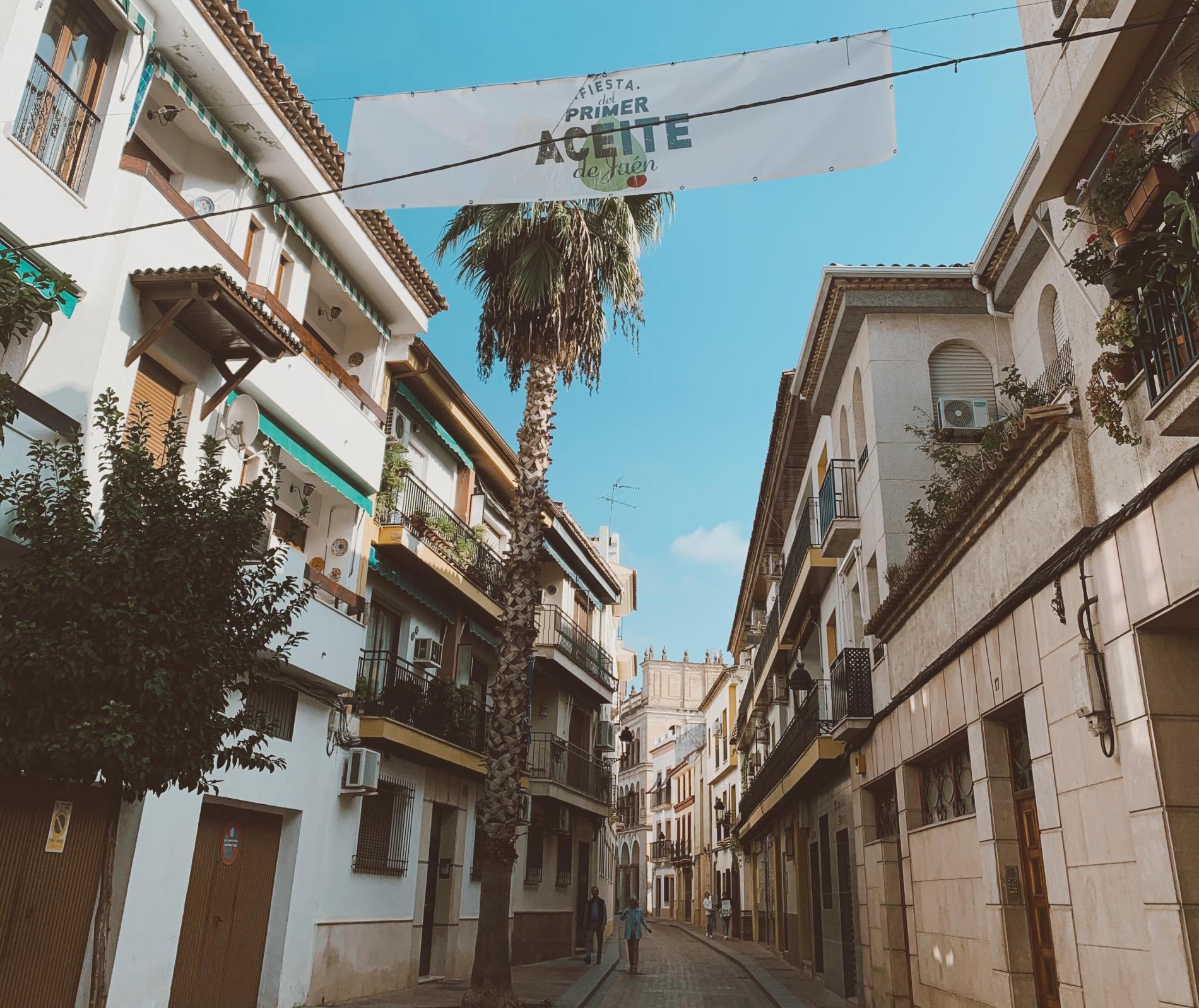
The most exciting part has been experiencing the culture of Andalucía! Trying new foods, interacting with locals, and attending local events has been incredible. Every day, the teachers at my school go to “breakfast” at 11 am at a small cafe a few blocks away. This tradition has been a wonderful way for me to connect personally with people here. The breakfast break is a significant time for everyone to catch up, and many jobs offer this pause to enjoy the meal, which I found fascinating. As an American, I use this as my lunch since their lunch isn't until 2-3 pm.
I also tutor a family here, and they’ve truly taken me under their wing, showing me the beauty of Spain through their eyes. They love introducing me to typical Spanish foods and even took me on a family trip to Málaga, where I got to try seafood unique to that region. I feel incredibly blessed to know them. They’ve helped me settle in and experience the culture firsthand. I feel like I’ve found a second family here in Spain—they even call me their oldest daughter. They treat me as one of their own, and having that kind of connection has made my time here feel so much more like home. Now, they’ve invited me to spend Christmas with them, and I’m beyond excited—I can’t wait to be part of their holiday celebration!
Another surprise has been how friendly and social people are. I’d heard that locals here love to share their stories and are also eager to hear yours, and it's absolutely true. They’re some of the most welcoming, lively, and warm-hearted people I’ve met. I had no idea what I was in for when I chose this region, but I couldn’t be in a better place!
How do you plan to integrate your academic background in Exercise Science into your experience teaching English in Spain, if at all?
I found a way to use my Exercise Science background by helping with P.E. classes. My knowledge of anatomy, biomechanics, and fitness training enhances the curriculum, creating a more structured and beneficial experience for the students. I design warm-up routines, exercise circuits, and even mini-lessons on topics like injury prevention, nutrition, and body mechanics.
What advice would you give to other students or recent graduates considering opportunities to work or study abroad?
My advice is simple: just go for it! You’re young, free, and have nothing holding you back—there’s a world of opportunities waiting for you and you won't know what is out there until you take that leap. Living in Spain has been an incredible experience, pushing me to grow in ways I hadn’t anticipated. Stepping outside your comfort zone helps you adapt to new cultures, become more independent, and gain a global perspective that’s invaluable both personally and professionally. The challenges you’ll face will be worth it, and the memories and skills you gain will last a lifetime! I strongly encourage anyone who's interested in living or studying abroad to give this experience a try.
Any additional interesting experiences you've encountered so far?
In Spain, I’ve noticed a refreshing focus on enjoying life at a slower pace, which contrasts with the fast-paced, money-driven culture in the U.S. Here, people genuinely prioritize quality of life—taking time to savor meals, socialize, and enjoy the moment. Instead of constantly rushing or focusing solely on work, Spaniards seem to place a high value on balance and personal well-being. Coming from a fast-paced society, this approach really stood out to me. While in the U.S. a lunch might last 30 minutes to an hour, here it can stretch to 2-3 hours. Servers are in no hurry, and if you want the check, you often have to ask for it yourself. There’s no rush to free up the table for someone else; you’re encouraged to enjoy your time.


